Does Your Visual Novel Choice Deliver What Its Wording Promises?
September 7, 2026

A player reaches a choice in your visual novel and selects the reply that sounds cautious. The protagonist then snaps at the other character, storms out, and closes a route the player was trying to protect. The branch may be working exactly as written, yet the player feels that the game chose for them.
This is not primarily a branch-count problem. It is a wording problem that lives across three adjacent moments: what the scene establishes before the choice, what the option appears to mean, and what the protagonist does immediately after the click. When those moments point in different directions, even an elaborate consequence can feel arbitrary. When they line up, a short branch can feel deliberate.
You do not need to audit every ending to find the first repair. Pick one choice that produced confusion, play only through its first response, and compare those three moments. The aim is not to reveal the future. It is to let the player own the action they selected.
Start with one uncomfortable replay
Use a scene where a tester said, "That is not what I meant," or where you found yourself explaining the button after the fact. Do not begin with the most important ending. Begin with the smallest reproducible mismatch.
Imagine this setup. A friend asks whether the protagonist has read a private letter. The scene offers two options: "Tell them gently" and "Keep this to yourself." The first route begins with the protagonist saying that reading the letter was reckless and unforgivable. The writer intended honesty delivered with care. The player saw a promise of kindness and received an accusation.
Nothing is technically broken. The option reaches the correct node. The relationship flag changes as planned. The problem is that "gently" describes a tone, while the first line delivers a judgment strong enough to dominate that tone. The click and the performance disagree.
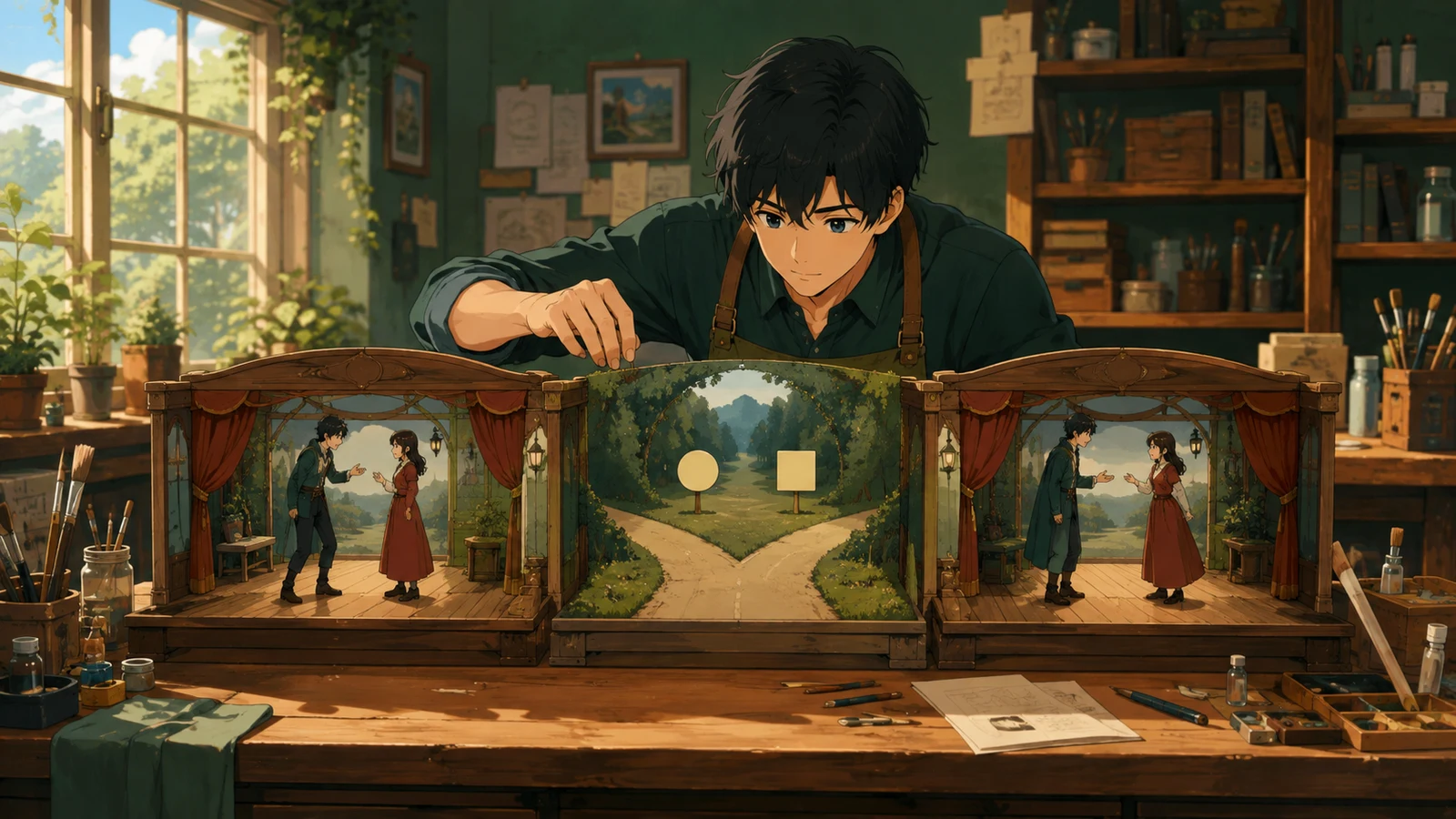
Write down the three beats without interpretation. Before: the friend is anxious and asks for the truth. Button: tell them gently. After: the protagonist condemns the decision before answering. This tiny record is more useful than a note saying the choice feels bad, because it shows where the promise changed.
What should the option actually promise?
A choice label can promise an action, a tone, a goal, or a topic. Trouble begins when the writer reads one type and the player reads another.
"Open the door" promises a visible action. "Try to make peace" promises a goal but leaves the exact words uncertain. "Answer lightly" promises tone. "Ask about the missing key" promises a topic. None is automatically better. The option only needs to match what the next lines allow the protagonist to do.
Short labels often carry hidden ambiguity. "Fine" can mean agreement, resignation, or hostility. "Tell the truth" does not say whether the protagonist confesses their own action or exposes somebody else. "Stop them" may mean a warning, physical restraint, or ending the relationship. If two readers can assign different verbs to a label, the next line should clarify before it commits to a costly consequence.
Do not solve every ambiguity by turning the button into a paragraph. Move some information into the line before the choice. A scene can establish that the protagonist is trying to protect a friend, then let the option say "Admit you read it." The context supplies the motive and the button supplies the action. The player still does not know the long-term result, but they know what they are asking the protagonist to do.
Choice of Games describes this as intentional choice: players need enough information to understand why they are choosing and to form some expectation about consequences. That guidance does not require a spoiler. It asks the scene to distinguish a considered decision from a coin flip.
Check the first reaction before the distant ending
The first response is where the story acknowledges the click. It can be a line of dialogue, a change of posture, a pause, or a small alteration in the relationship. It does not need to expose the final branch. It needs to confirm that the chosen action happened.
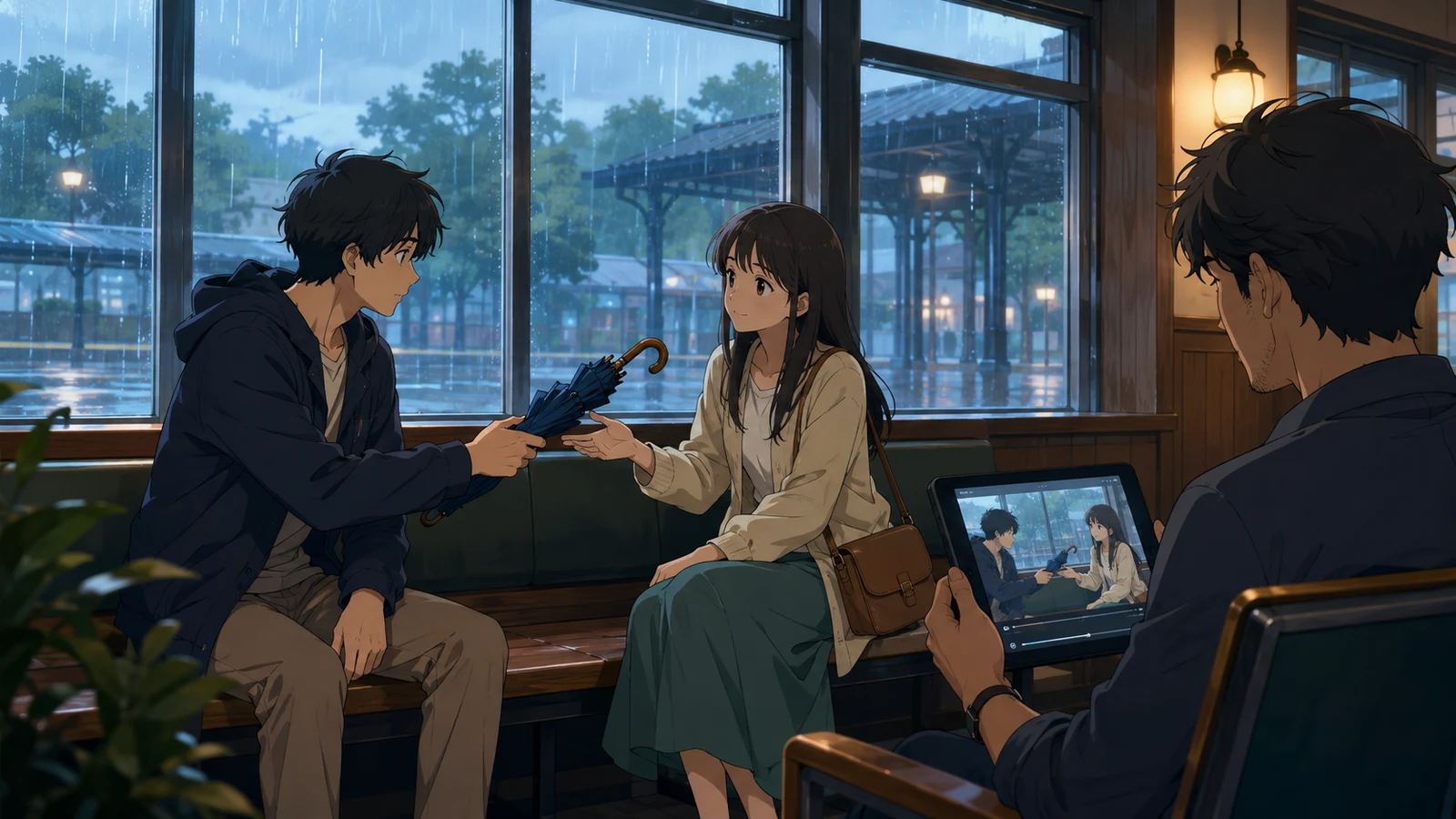
Return to the letter scene. If the option remains "Tell them gently," the protagonist can begin by admitting the truth without accusation: they read the letter and are sorry. The friend may still become angry later. The secret may still damage the route. Surprise is preserved because the world can react in ways the player cannot control. What stays stable is the protagonist's chosen manner.
There is another valid repair. Keep the harsh first line and rename the option to "Confront them about the letter." Now the outcome is not softer, but the action belongs to the player. The right edit depends on which version fits the character and the scene after it.
This distinction matters for deceptive characters and horror stories. A door marked as safe can hide danger. A trusted character can betray the protagonist. The world is allowed to surprise the player. The interface should be much more careful about changing what the protagonist attempts to do. Unexpected consequence creates tension. An unexpected action performed on the player's behalf creates distance.
Can a branch merge and still respect the choice?
Yes. Plot divergence is not the only visible consequence.
Two options can return to the same next scene while differing in tone, trust, information, or the way another character addresses the protagonist. If the player chooses to comfort someone, a brief release of tension can acknowledge that choice before the routes merge. If the player refuses, a colder transition can do the same. The production cost stays small, but the scene stops pretending the click never happened.
The important test is not whether a new ending exists. Ask whether the player can point to something and say, "That happened because of what I chose." A changed line can be enough when the option was about role-playing. It is not enough when the option appeared to decide who survives or which destination the group takes.
Keep the scale honest. Tone choices deserve tonal acknowledgment. Tactical choices need a visible tactical result. Route choices need the route to change. A mismatch between the size of the label and the size of the consequence causes as much confusion as a mismatch in wording.
How do you run this audit in Novelez?
Novelez does not judge whether a choice is fair, meaningful, or in character. That editorial decision remains yours.
What it gives you is a shorter loop around the decision. In the flow view, locate the scene with the suspect choice and identify the immediate node reached by each option. Open the browser preview at that section, read the last line before the options, click one option, and stop after the first visible response. Repeat for the other option.
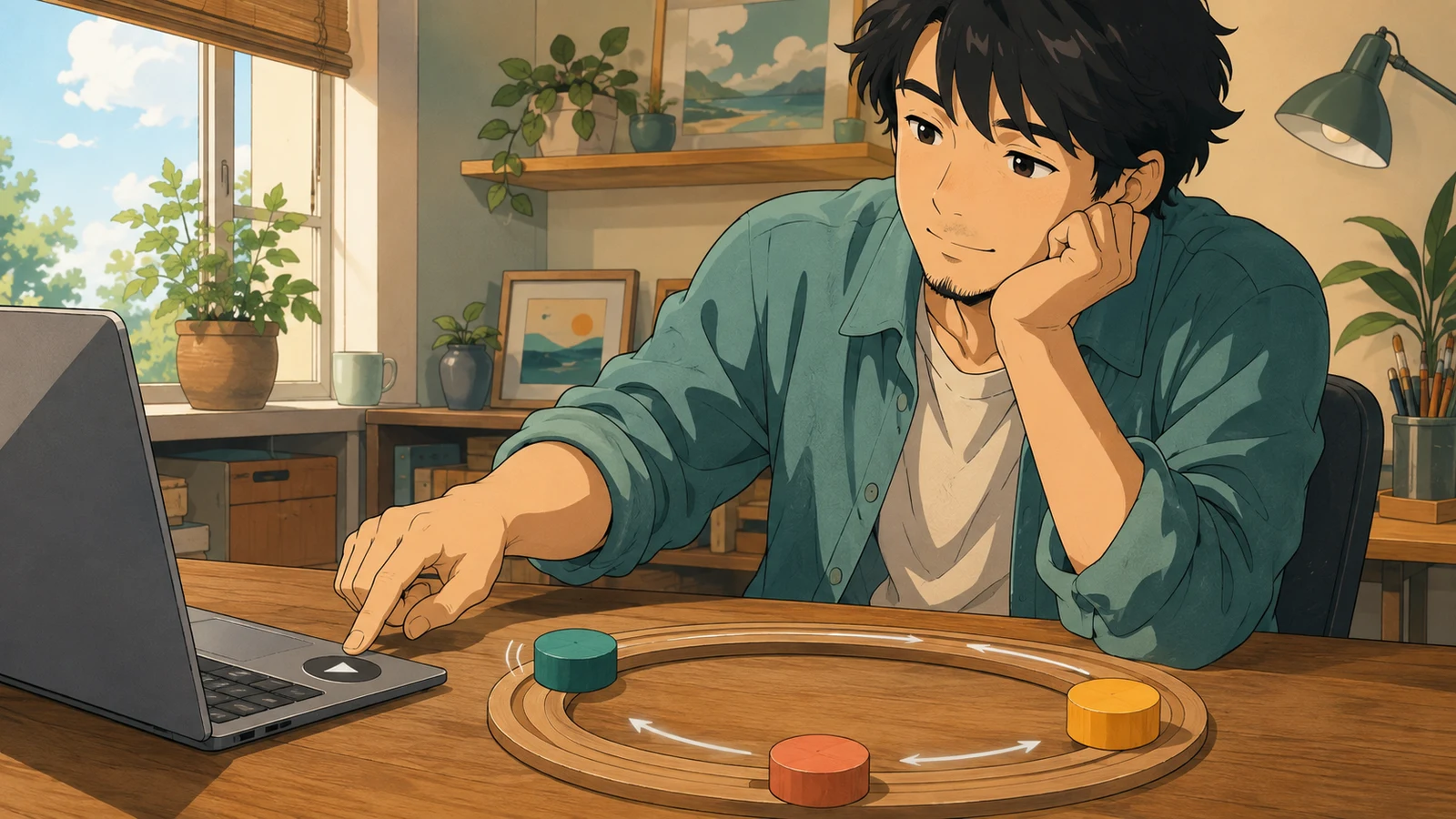
For each path, record three plain statements: what the player knew, what the button said the protagonist would do, and what the first response showed. If they disagree, make the smallest edit that restores alignment. Change the setup, the option, or the first response, not all three at once. Then replay the same short section.
After both options pass, inspect the wider route separately. This local audit will not catch a broken flag several scenes later or an unreachable ending. It is meant to fix the moment where the player and protagonist separate, before the larger branch test begins.
A useful pass condition is simple. A reader who has not seen your notes can choose an option, watch the first response, and describe the protagonist's action with roughly the same verb and tone that you intended. They may still be surprised by the other character or by later events. They should not be surprised by what their own click made the protagonist attempt.
Which choice in your current visual novel has required the most explanation after a test, and would you change the setup, the button, or the first response first?